
In the real estate investment lifecycle, the tender stage is the turning point for conditions that will affect asset quality and long-term sustainability.
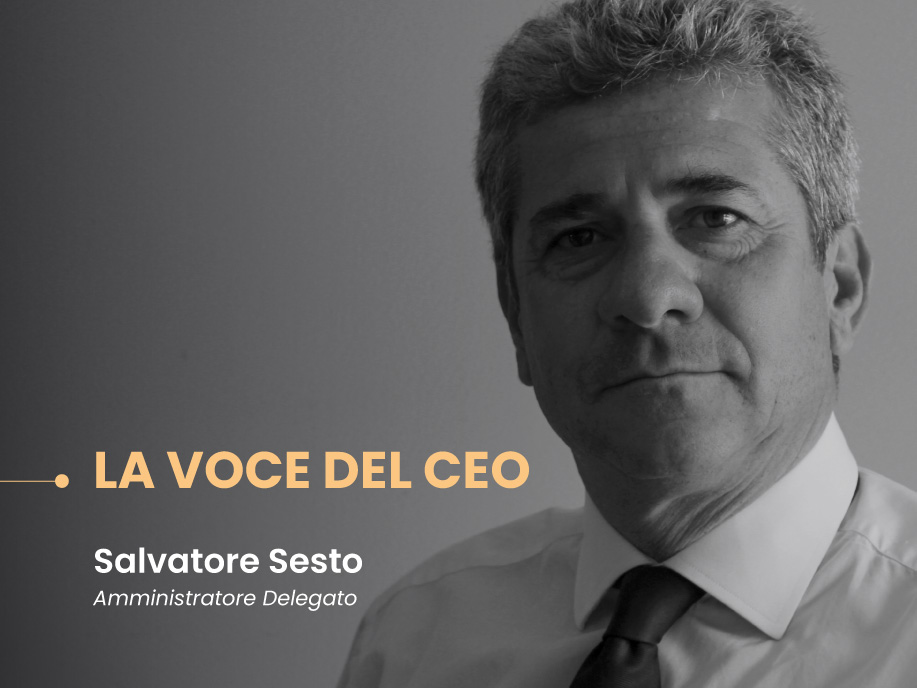
Far from being purely operational, this stage is instrumental in shaping the coherence between design and market requirements. On this point, Salvatore Sesto, CEO of SCI Value emphasises that:
“In itself, the tender is not a particularly complex moment, but it depends on how the bidding is organised and the alignment between administrative and technical documentation.”
The difference lies in the approach, since the tender decides how design choices measure up to the received bids.
Moving beyond the lowest bid
A crucial factor is the bid validation process, a strategic step for project sustainability.
“The client’s ability to verify the adequacy of a bid is, in my humble opinion, fundamental. First, bids must be drawn up based on unit prices, even if the client wants to award the contract as a lump sum. The bidder must be able to justify their discounts with clarifications, otherwise the risk is very high for the client.”
This stage allows us to dive deep into the cost structure of bids, to assess their sustainability. It allows potential issues to be identified well before the execution phase.
Tender Management as a strategic oversight tool
Tender management should take on the broader role in the end-to-end coordination of the entire process.
Salvatore Sesto further adds:
“Today more than ever, Tender Management is a necessity for clients who lack dedicated in-house expertise. Conversely, for clients with their own procurement departments, our Tender Management services are particularly sought after for technically complex projects, where the tender is a deciding factor for a successful execution of the works.”
A well-structured tender approach serves as a synthesis of project design, market dynamics, and investor goals. Finding this balance is what determines the quality of the project and its capacity to retain value.

