

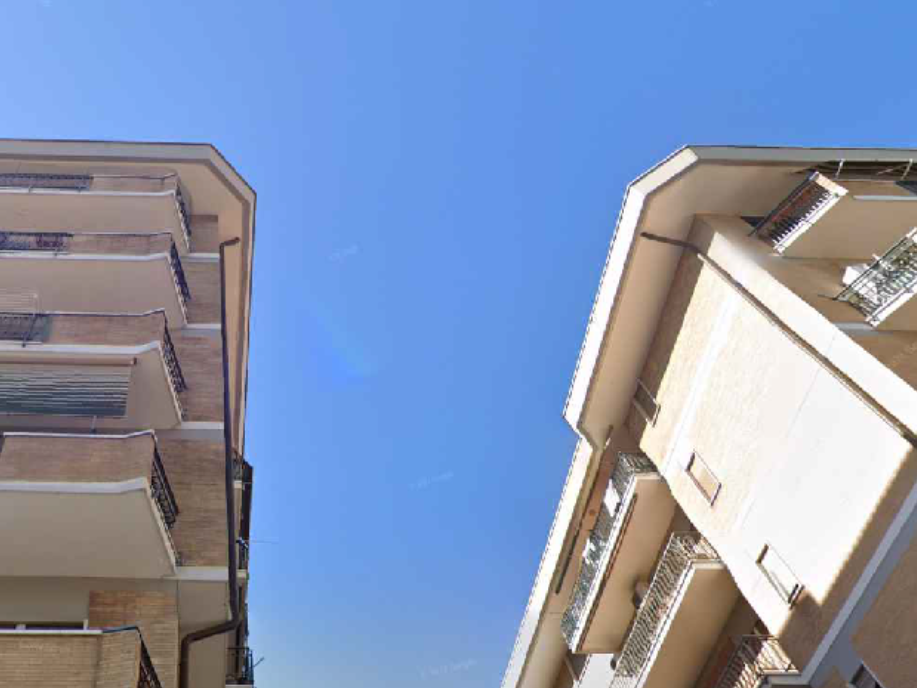
In the Magliana district, a well-established residential neighborhood in southwestern Rome, the property complex at Via Luigi Rava 33–35 is undergoing a major urban regeneration project commissioned by the Fondo Aristotele Student fund.
The project focuses on the adaptive reuse and complete redevelopment of the complex, converting it from residential units into modern student accommodation. With an investment value exceeding €7.2 million, this shift in intended use requires a comprehensive restructuring of the layout, a full upgrade of plant engineering standards, and a rigorous technical-economic review to ensure project viability.

Technical and Economic Validation for Adaptive Reuse
Converting a residential complex into a student residence is far more complex than a standard refurbishment. Working within an existing structure presents unique constraints that new-build projects avoid: floor layouts must be redesigned for collective living, mechanical, electrical, and plumbing (MEP) systems must be upgraded to higher performance standards, and structural components must be verified against current regulations.
In this context, verifying the Bill of Quantities (BOQ) is critical. It ensures the budget aligns perfectly with project specifications, scope, and the investor’s target returns. Identifying discrepancies at this stage prevents significant cost overruns during execution, directly safeguarding the financial sustainability of the project.
SCI Value’s Role
SCI Value provided structured technical and economic consultancy, conducting a thorough BOQ verification and detailed price analysis across all project scope items, including civil, structural, and MEP systems. The resulting technical-economic report highlighted key strengths and risks, offering the client and design team a validated framework to guide strategic decisions.
Through the application of Reverse Value Engineering (RVE®), SCI Value broke down every cost item into its analytical components to eliminate inefficiencies and optimize solutions aligned with overall project goals.
Adaptive Reuse as a Value Creation Strategy
The Via Luigi Rava project reflects a broader trend shaping Italian institutional real estate: unlocking value in existing building stock through change of use. Investment funds and asset management companies (SGRs) increasingly view brownfield assets as strategic resources capable of delivering strong returns aligned with market demand, without the footprint of new construction.
Student housing stands out as one of the most compelling asset classes in this space. With structural demand vastly outstripping supply, rigorous technical-economic oversight directly determines an asset’s ability to generate long-term value.
SCI Value | Reverse Value Engineering®, Project Management, and Technical Due Diligence in Real Estate | www.scivalue.it

